Airplane Embroidery Design Review
First Impressions: A Journey in Stitches
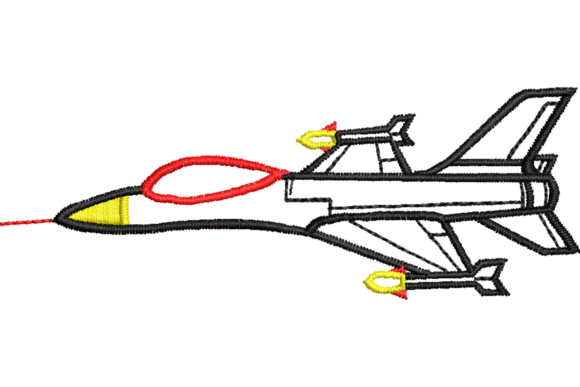
When I first laid eyes on the Airplane Embroidery Design, it immediately felt like a breath of fresh air—literally and figuratively. The design carries a sense of adventure, with clean lines and a modern aesthetic that speaks to the spirit of travel. It’s not overly complicated, which is a relief for those who want a fun yet manageable machine embroidery design without getting lost in too many details.
The layout is balanced, with a central airplane silhouette flanked by subtle elements like clouds or luggage tags, depending on the version. This gives the design a cohesive feel that works well for both custom apparel and handmade product applications. The level of detail is just right—enough to be eye-catching but not so intricate that it becomes overwhelming on smaller items like embroidered patches or caps.
Real-World Use: From Tote Bags to Travel-Themed Gifts
Let’s imagine a scenario where this design is used for a custom embroidered tote bag. The Airplane Embroidery Design would add a playful yet sophisticated touch, making it perfect for a boutique gift shop or a personal project. The size and scale of the design are well-suited for medium to large surfaces, ensuring that the stitching remains clear and defined without appearing cramped.
I can see this design working beautifully on sweatshirts, jackets, and even baby clothes—especially if you're targeting a travel-themed gift market. The motif has a universal appeal that makes it suitable for a wide range of audiences, from young adventurers to seasoned globetrotters.
For craft business owners or Etsy sellers, this could be a great addition to a line of holiday embroidery or nursery decor. It's versatile enough to be used as a standalone piece or combined with other motifs in a printable mockup for digital product previews.
Where to Use with Caution
While the Airplane Embroidery Design is a strong contender for many projects, there are a few areas where it might require extra attention. For instance, when using it on small hoop sizes, some details may get lost, especially if the design includes fine lines or tiny lettering. Testing it on scrap fabric first is always a good idea to ensure the stitch density doesn’t cause puckering or distortion.
On textured fabrics or stretchy materials like knits, proper stabilizer use becomes crucial. Without the right backing, the design might not hold its shape after washing, particularly on custom apparel that will be worn frequently. Similarly, if you're planning to use it on dark-colored fabrics, checking the thread color contrast is essential to maintain visibility and visual impact.
When applying it to curved surfaces like caps or hats, the design should be adjusted slightly to accommodate the curve. This might involve repositioning elements or adjusting the stitch direction for better alignment.
Design Impact: Visual Appeal and Brand Value
The Airplane Embroidery Design adds a unique visual element that elevates the finished product, whether it’s a personalized gift, small shop product, or commercial embroidery item. Its clean and modern look contributes to a professional appearance, which is important for brand consistency and customer trust.
From a craft business perspective, this design can enhance the perceived value of handmade products. It also helps in creating a memorable and recognizable brand identity, especially if used consistently across different design assets or digital embroidery files.
As a personalized gift, the Airplane Embroidery Design offers a meaningful and thoughtful touch that resonates with travelers and adventurers. It’s a great way to create giftability and encourage buyer engagement, especially around holidays or special events.
Practical Embroidery Designer Notes
If you’re considering using the Airplane Embroidery Design for your next project, here are a few practical tips:
- Test on Scrap Fabric: Always test the design before committing to a final product. This allows you to check how the stitches interact with the fabric texture and adjust as needed.
- Check Thread Colors: Ensure that the thread colors provide enough contrast against the fabric background, especially on dark or busy patterns.
- Review Stitch Density: High-density areas can cause issues with fabric stretching or puckering, so review these sections carefully.
- Confirm Hoop Size: Make sure the hoop size matches the design dimensions to avoid cutting off any parts or leaving gaps.
- Use Proper Stabilizer: Especially important for stretchy or thin fabrics, a good stabilizer will help maintain the integrity of the design.
- Inspect Small Details: Look closely at any small elements or lettering to ensure they remain clear and visible after stitching.
- Test in Black and White Mockups: This helps assess how the design will appear on different fabric backgrounds.
- Confirm Licensing: Before selling finished items or digital embroidery files, make sure the license allows commercial use.
The Airplane Embroidery Design is a versatile and engaging choice for a variety of embroidery projects. Whether you're an apparel decorator, handmade shop owner, or creative entrepreneur, this design can bring a fresh and exciting element to your work. Just remember to approach it with a bit of care and testing, and you’ll be set for success.